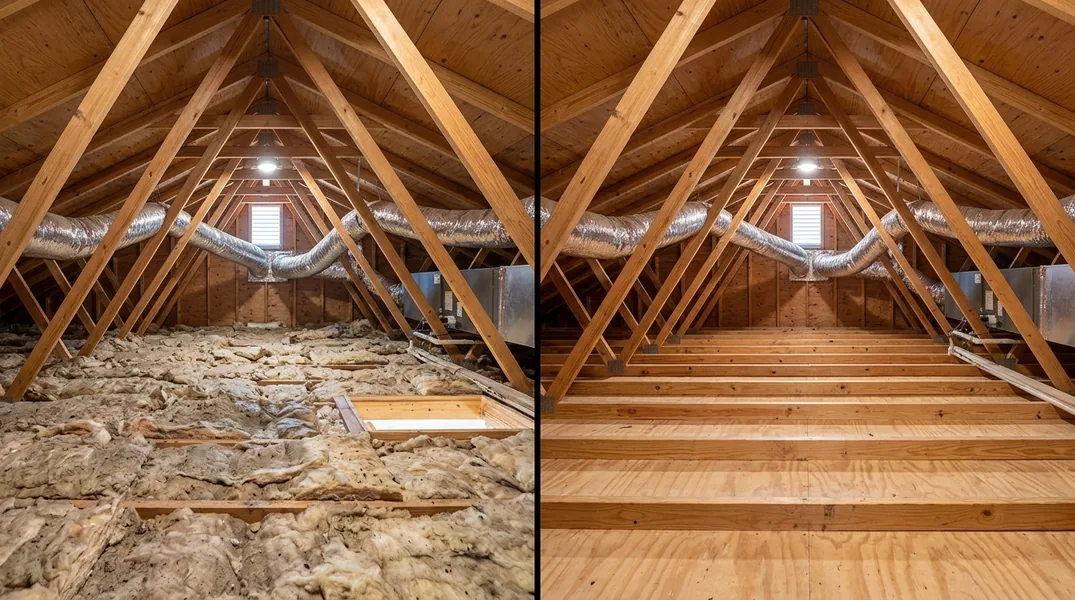
Why Permits Matter for Spray Foam Insulation in Port St. Lucie
Before your contractor applies a single drop of spray foam to your attic, you need to understand the permit requirements in Port St. Lucie. Many homeowners assume that insulation work is a simple DIY or contractor job that doesn't require official approval, but that assumption can lead to costly problems down the road. Building permits exist to protect your safety, ensure compliance with local codes, and maintain property values in your neighborhood.
When you invest in Attic Spray Foam Insulation, you're making a significant upgrade to your home's thermal envelope. The work involves application of materials that affect ventilation, fire safety, and structural integrity. Local building departments in Port St. Lucie require permits to verify that the insulation type, installation method, and fire ratings meet current building codes. Without proper permits, you may face fines, difficulty selling your home, or insurance claims being denied if problems arise.
What Questions to Ask Your Contractor About Permits
The first conversation you should have with any insulation contractor is about permits. Ask them directly: Does this project require a permit in Port St. Lucie? A reputable contractor will know the answer and should be willing to handle the permit process for you. Some companies include permit costs in their overall pricing, while others charge separately. Make sure you understand this upfront so there are no surprises.
Next, ask which type of spray foam they recommend: Open Cell Spray Foam Insulation or Closed Cell Spray Foam Insulation. This matters for permits because different foam types have different fire ratings and ventilation requirements. Closed Cell Spray Foam Insulation has a higher closed cell spray foam R value (typically R-6 to R-7 per inch) and better fire resistance, which may simplify permitting. Open cell foam, while more affordable, has a lower R value and may require additional ventilation considerations that inspectors will scrutinize. Ask your contractor how the foam type they're proposing affects the permit application timeline and requirements.
Understanding R-Value Requirements in Your Permit Application
Building codes specify minimum R-value requirements for attic insulation based on your climate zone. Port St. Lucie is in a warm climate, but that doesn't mean you can skip insulation or use minimal coverage. Your local building department will review the spray foam R value that your contractor proposes to ensure it meets or exceeds code minimums. This is where understanding the difference between foam types becomes crucial for your permit approval.
The closed cell spray foam R value is significantly higher than open cell alternatives. While closed cell foam delivers an impressive R-6 to R-7 per inch, open cell foam typically provides R-3.5 to R-3.6 per inch. If you're planning to use open cell foam, you'll need to apply a thicker layer to achieve the same R value, which affects both cost and installation complexity. When you request a free estimate, make sure the contractor provides a detailed breakdown showing the proposed thickness and resulting R value for your attic. This documentation becomes part of your permit application and helps inspectors verify compliance.
Ventilation and Fire Safety: Key Permit Inspection Points
Inspectors examining your spray foam insulation permit will pay close attention to ventilation and fire safety. Open cell spray foam is more permeable than closed cell foam, which means moisture and air can pass through it more easily. Some jurisdictions require specific ventilation strategies when open cell foam is used, particularly in attics. Your contractor should explain how their installation plan addresses ventilation requirements and whether soffit vents, ridge vents, or other airflow mechanisms need adjustment. This information must be included in your permit documentation.
Fire safety ratings are another critical inspection point. Building codes require spray foam insulation to have a thermal barrier or ignition barrier, typically a layer of drywall or intumescent coating, to protect the foam from direct flame exposure. The type of barrier required depends partly on your foam choice and local code specifics. Closed cell foam often has better fire ratings than open cell foam, which can simplify the barrier requirements. When discussing your project with a contractor, ask them to explain what fire safety measures they'll implement and how those measures affect your permit application. A contractor familiar with Port St. Lucie building codes will have navigated these inspections before and can guide you through the process efficiently.
Timeline: How Long Permits Add to Your Project
One common question homeowners ask is whether getting a permit will delay their project significantly. The answer depends on your local building department's workload and the complexity of your application. In Port St. Lucie, typical permit processing times for insulation work range from a few days to two weeks, though this varies. Your contractor should give you a realistic timeline based on their experience with local inspectors. Ask them how many permits they've pulled in your area and how long approval typically takes. This helps you plan your project schedule and avoid frustration.
After your permit is approved, the actual spray foam installation usually takes one to three days depending on your attic size and the type of foam being applied. However, you'll also need to schedule a final inspection after the work is complete. Some contractors coordinate this inspection for you, while others expect you to call the building department. Clarify this responsibility during your initial consultation. The inspection typically takes a few hours, and the inspector will verify that the foam coverage, R value, fire barriers, and ventilation all meet the approved permit specifications. Only after passing final inspection can you consider the project officially complete.
Choosing the Right Contractor: Permit Experience Matters
Not all insulation contractors have equal experience with the permit process. When you're evaluating contractors for your spray foam project, ask specifically about their permit track record. How many projects have they completed in Port St. Lucie? Have any of their permits been rejected or required revisions? A contractor with strong local relationships and a solid understanding of code requirements will save you time and headaches. They should be able to discuss the differences between open cell vs closed cell spray foam not just from a performance perspective, but from a code and permitting perspective as well.
Port St. Lucie Spray Foam Insulation has extensive experience navigating local permits and understands the specific requirements for attic spray foam work in your area. When you contact them at (772) 877-0850 or request a free estimate, you can ask detailed questions about their permit process, their recommended foam type, and how they ensure compliance with local codes. A contractor willing to answer these questions thoroughly and explain their approach is one you can trust to handle your project professionally from start to finish.
Looking for a professional spray foam insulation contractor in Port St. Lucie? Port St. Lucie Spray Foam Insulation responds fast for all your spray foam insulation needs.
Get a Free Quote